Best Tablets in India (2026)
Best tablets from ₹474 to ₹30,999 — ranked on display, performance, battery, and build. 10 picks across budget and mid-range tiers.
Last updated: 8 May 2026
A good tablet needs a sharp display for reading and video, enough performance for daily apps, and battery that lasts a full day. Under ₹30,000 in India, you get genuine flagship-tier displays, decent processors, and all-day battery. The main compromise vs ₹40,000+ tablets: weaker gaming performance and fewer premium accessories.
ProductHunter.in tested tablets across two tiers: budget (₹8,349–₹17,999) for students and casual users, and mid-range (₹17,999–₹29,900) for productivity, content consumption, and note-taking. The jump to mid-range gets you sharper 2K+ displays, faster processors, and better stylus support.
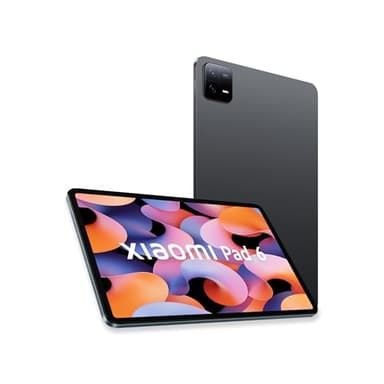
Xiaomi Pad 6
Snapdragon 870 (flagship-tier performance), 144Hz 2.8K display with 1800 nits peak brightness, quad speakers with Dolby Atmos. The best-performing Android tablet under ₹25,000 — handles everything from note-taking to light gaming.
Check Price on AmazonAt a Glance
This article contains affiliate links. We may earn a small commission at no cost to you. Learn more




Xiaomi Redmi Pad SE
Best Budget Storage₹19,999

Lenovo Tab M10 Plus Gen 3
Best All-Rounder₹17,999

Samsung Galaxy Tab S6 Lite (2024)
Best for Students₹474
Apple iPad 9th Gen
Best Ecosystem₹29,900
Budget Picks (₹8,349–₹17,999)
Budget tablets under ₹18,000 handle everyday tasks well: YouTube, Netflix, e-books, online classes, note-taking, and casual browsing. Display quality has improved dramatically — even ₹15,000 tablets now offer FHD+ or 2K screens with 90Hz refresh rates. The main compromise: processors handle multitasking and games adequately but not smoothly, and stylus support (when available) isn't as precise as mid-range options.
OnePlus Pad Go (8GB+128GB WiFi)
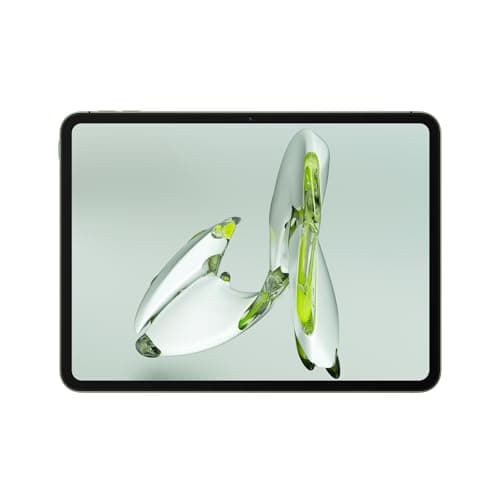
The OnePlus Pad Go has the best display in the budget tier — an 11.35-inch 2.4K ReadFit panel that's noticeably sharper than competitors' FHD+ screens. The ReadFit technology adjusts colour temperature for comfortable reading. Helio G99 is a proven mid-range processor that handles daily tasks, video streaming, and light gaming smoothly. 8GB RAM ensures smooth multitasking. 7100mAh battery lasts a full day of mixed use. OxygenOS is clean and responsive. At ₹16,999, it offers the best display quality in the budget tier. The limitation: no stylus support, and the Helio G99 won't handle heavy gaming or video editing.
Pros
- +11.35-inch 2.4K display — best screen in budget tier
- +ReadFit technology for comfortable reading
- +8GB RAM — smooth multitasking
- +7100mAh battery — full day use
- +Dolby Atmos quad speakers
- +Clean OxygenOS experience
Cons
- -Helio G99 — adequate but not powerful
- -No stylus support
- -WiFi only — no LTE option at this price
- -128GB storage — no 256GB option
Score Breakdown
The best display under ₹18,000. The 2.4K ReadFit screen makes Netflix, reading, and browsing genuinely enjoyable. Best for media consumption and students.
Xiaomi Redmi Pad SE (8GB+256GB)
The Xiaomi Redmi Pad SE offers the most storage in the budget tier — 256GB at ₹19,999 when competitors offer 128GB at similar prices. That extra storage matters for students downloading lectures, offline Netflix content, and photos. Snapdragon 680 handles daily tasks reliably. The 11-inch FHD+ 90Hz display is good for the price. 8000mAh battery is the largest in the budget tier, lasting 1.5 days of mixed use. At ₹19,999, it matches the OnePlus Pad Go on price but offers double the storage (256GB vs 128GB) with a slightly less sharp display (FHD+ vs 2.4K). Choose based on whether storage or display quality matters more.
Pros
- +256GB storage — double competitors at this price
- +8000mAh battery — largest in budget tier
- +8GB RAM for smooth multitasking
- +11-inch FHD+ 90Hz display
- +Snapdragon 680 — reliable processor
- +Quad speakers with Dolby Atmos
Cons
- -FHD+ display — less sharp than OnePlus Pad Go's 2.4K
- -Snapdragon 680 — not the fastest
- -MIUI Pad — some bloatware
- -No stylus support
Score Breakdown
The best budget tablet if storage matters. 256GB at ₹19,999 means never worrying about running out of space for downloads, photos, and apps.
Lenovo Tab M11 (8GB+128GB)
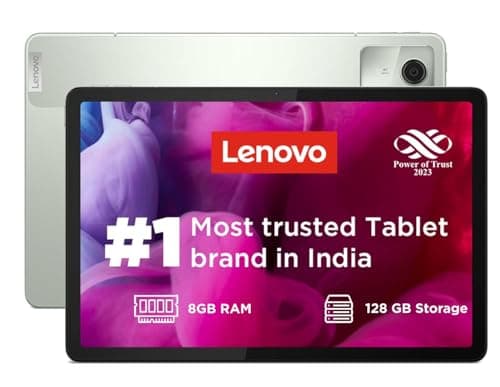
The Lenovo Tab M11 is the cheapest 11-inch tablet with 8GB RAM in this roundup. At ₹17,999, it undercuts the OnePlus and Xiaomi by ₹1,000-₹2,000. The 11-inch FHD 90Hz display is adequate for streaming and reading. 8GB RAM handles multitasking well. MicroSD expansion adds flexibility for storage. Lenovo's tablet interface is close to stock Android — clean and fast. The Helio G88 is less powerful than Helio G99 (OnePlus) and Snapdragon 680 (Xiaomi), so it struggles more with demanding apps and games. Best for buyers on a strict budget who need a large screen for basic tasks.
Pros
- +₹15,999 — cheapest 11-inch 8GB tablet
- +MicroSD expansion for extra storage
- +Clean, near-stock Android experience
- +8GB RAM for smooth basics
- +11-inch FHD 90Hz — decent display
- +Good Lenovo build quality
Cons
- -Helio G88 — weakest processor in roundup
- -FHD only — not 2K like competitors
- -Struggles with demanding games
- -Average camera quality
Score Breakdown
The best value tablet under ₹16,000. If you need a big screen for Netflix, reading, and video calls on a budget, this delivers.
Honor Pad 8 (6GB+128GB)
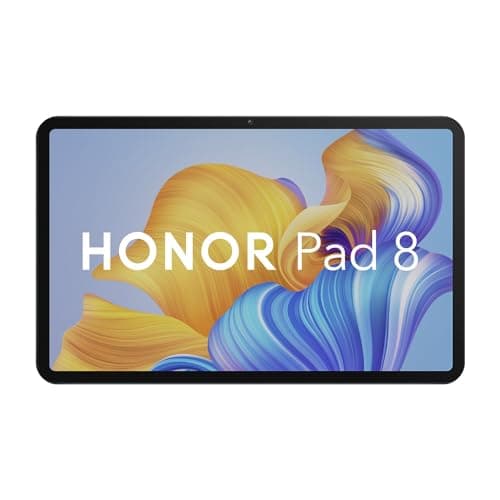
The Honor Pad 8 has the largest screen in this roundup — a 12-inch 2K panel that makes Netflix, reading, and productivity genuinely more comfortable than 10-11 inch tablets. The 7:5 aspect ratio is wider than standard 16:10 tablets, giving more screen real estate for split-screen multitasking. Snapdragon 680 handles daily tasks. MicroSD expansion adds storage flexibility. At ₹474, you get a 12-inch 2K display for the price of 11-inch FHD tablets. The compromise: 6GB RAM (vs 8GB on competitors), and Honor's brand presence and service network in India is more limited than Xiaomi or Samsung.
Pros
- +12-inch 2K display — biggest screen in budget tier
- +7:5 aspect ratio for better multitasking
- +Snapdragon 680 — reliable daily performance
- +MicroSD expandable storage
- +7250mAh battery
- +₹17,999 for a 12-inch 2K display
Cons
- -6GB RAM — less than 8GB competitors
- -Honor brand less established in India
- -Limited service network
- -Larger size — less portable
Score Breakdown
The biggest screen under ₹18,000. If screen size matters most — for Netflix, reading, or split-screen — the 12-inch 2K display is unmatched.
Realme Pad Mini (4GB+64GB LTE)
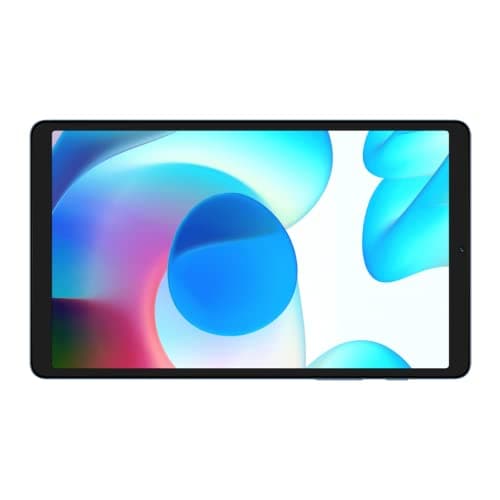
The Realme Pad Mini is the cheapest and most compact tablet in this roundup. The 8.7-inch size makes it genuinely portable — hold it in one hand, slip it into a large pocket. LTE connectivity at this price is rare — use a SIM card for mobile internet without hotspotting your phone. At ₹8,349, it's the entry point into tablets. The serious compromises: HD (not FHD) display is noticeably less sharp, 4GB RAM limits multitasking, 64GB storage fills up fast, and the Unisoc T616 is the weakest processor here. Best as a dedicated e-reader, video player, or kids' tablet — not a productivity device.
Pros
- +₹8,349 — cheapest tablet in this roundup
- +8.7-inch compact — truly portable
- +LTE connectivity — rare at this price
- +6400mAh battery — lasts a full day
- +Good for e-books, video, and kids
- +Realme brand availability
Cons
- -HD display — noticeably less sharp than FHD+
- -4GB RAM — struggles with multitasking
- -64GB storage fills up quickly
- -Unisoc T616 — weakest processor
Score Breakdown
The cheapest tablet for basic use. LTE and compact size at ₹8,349 make it ideal as a dedicated reader, video device, or kids' tablet.
Mid-Range Picks (₹17,999–₹29,900)
Mid-range tablets under ₹30,000 deliver genuinely good displays (2K+, 120Hz+), capable processors (Snapdragon 870, A13 Bionic), and features like S Pen support and iPadOS. These tablets handle note-taking, document editing, light photo editing, and moderate gaming well. If you need a tablet for productivity or as a laptop alternative for students, this tier is the sweet spot.
Xiaomi Pad 6
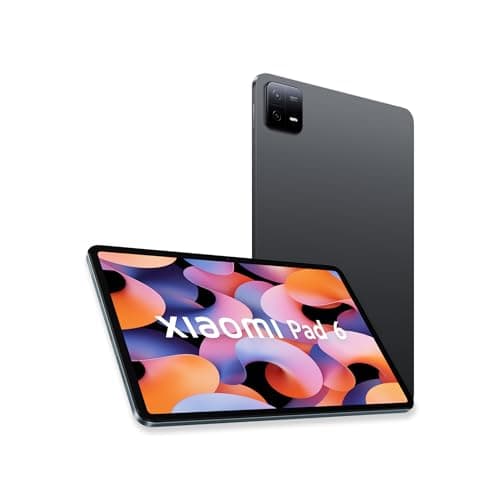
The Xiaomi Pad 6 has the most powerful processor under ₹25,000 — the Snapdragon 870 is a flagship-tier chip that handles everything from split-screen multitasking to Genshin Impact. The 2.8K display with 144Hz refresh rate is the smoothest screen in this roundup — scrolling feels buttery, and the 1800 nits peak brightness makes outdoor use genuinely possible. Quad speakers with Dolby Atmos deliver impressive sound for a tablet. 8720mAh battery easily lasts a full day of heavy use. At ₹30,999, it outperforms every Android tablet under ₹25,000 on raw specs. The limitation: no stylus support in the box (sold separately), and MIUI Pad has some bloatware. If you want iPad-like performance on Android, this is it.
Pros
- +Snapdragon 870 — flagship-tier performance under ₹25K
- +2.8K 144Hz display — sharpest and smoothest
- +1800 nits brightness — excellent outdoor visibility
- +Quad speakers with Dolby Atmos
- +8720mAh battery — full day heavy use
- +Best performance per rupee
Cons
- -No stylus included — sold separately
- -MIUI Pad has some bloatware
- -No LTE option
- -Heavy at 490g
Score Breakdown
The best Android tablet under ₹25,000. Snapdragon 870, 2.8K 144Hz display, and quad speakers — nothing in this price range matches the Xiaomi Pad 6 on raw capability.
Samsung Galaxy Tab S6 Lite (2024)
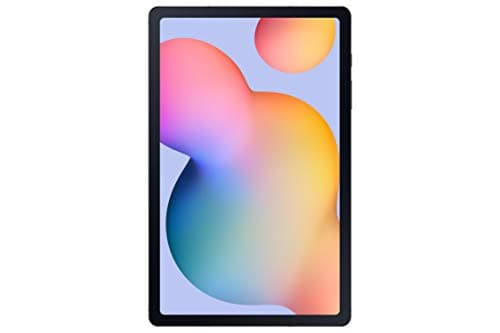
The Samsung Galaxy Tab S6 Lite is the best tablet for students because of one feature: the included S Pen. No other tablet under ₹30,000 includes a stylus in the box. The S Pen transforms the tablet from a consumption device into a note-taking powerhouse — handwrite notes in Samsung Notes, annotate PDFs, draw, highlight textbooks. The 10.4-inch WUXGA+ display is comfortable for reading. Samsung's One UI is polished and well-optimised for tablets. At ₹474, it's ₹2,000 more than the Xiaomi Pad 6 with weaker specs (Exynos 1280 vs Snapdragon 870, 4GB vs 8GB RAM). You're paying the Samsung premium for the S Pen and Samsung's ecosystem.
Pros
- +S Pen included — best note-taking under ₹30K
- +Samsung One UI — polished tablet experience
- +10.4-inch WUXGA+ display for reading
- +Samsung ecosystem (Samsung Notes, DeX mode)
- +Good build quality and brand reliability
- +7040mAh battery — full day
Cons
- -Exynos 1280 — weaker than Xiaomi's Snapdragon 870
- -Only 4GB RAM — multitasking is limited
- -64GB base storage fills quickly
- -₹2,000 more than Xiaomi Pad 6 with weaker specs
Score Breakdown
The best tablet for handwritten note-taking. The included S Pen is the killer feature — no other tablet under ₹30K offers this. Accept the weaker processor for Samsung's pen and ecosystem.
Apple iPad 9th Generation
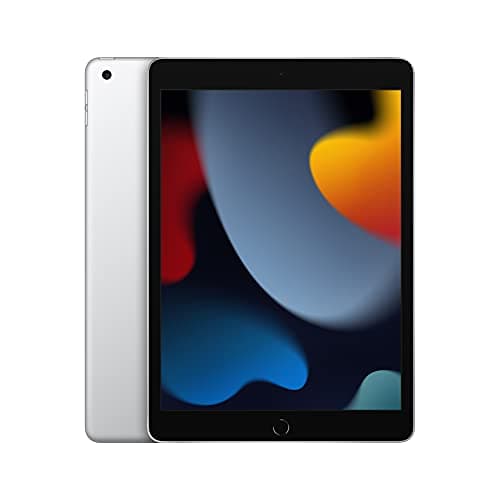
The Apple iPad 9th Gen is the cheapest way into the iPad ecosystem. The A13 Bionic still outperforms most Android tablets under ₹30,000 on single-core tasks — iPadOS apps feel snappier than Android equivalents. The Retina display with True Tone adjusts colour warmth based on ambient lighting. iPadOS app quality is unmatched — apps like Procreate, GoodNotes, LumaFusion have no Android equivalents. Apple Pencil support (1st gen, sold separately). At ₹29,900, it's the most expensive tablet here and the specs look weak on paper (older chip, 64GB base). But the iPadOS software advantage and 5+ years of software updates make it the most future-proof option. Best for buyers already in the Apple ecosystem.
Pros
- +A13 Bionic — snappy for daily tasks and creative apps
- +iPadOS app quality — Procreate, GoodNotes unmatched
- +5+ years of software updates — most future-proof
- +True Tone Retina display
- +Apple Pencil 1st gen support (sold separately)
- +Apple ecosystem integration
Cons
- -₹29,900 — most expensive in this roundup
- -64GB base storage is limiting
- -No MicroSD expansion
- -Older design with thick bezels
- -Apple Pencil 1st gen — Lightning charging
Score Breakdown
The best tablet for Apple users. iPadOS app quality and 5+ years of updates justify the premium if you value software over specs. Android users should get the Xiaomi Pad 6.
realme Pad 2 (6GB+128GB)

The realme Pad 2 is the cheapest mid-range tablet with a 2.4K 120Hz display. At ₹26,499, it offers flagship-tier display quality at near-budget pricing. The 11.5-inch 2.4K panel is sharp for reading, streaming, and browsing. 120Hz refresh rate makes scrolling smooth. 6GB RAM with virtual RAM expansion to 12GB handles multitasking adequately. Helio G99 is a proven mid-range chip. 8360mAh battery lasts well over a full day. The limitations: Helio G99 trails the Xiaomi Pad 6's Snapdragon 870 significantly in performance, and realme's tablet software isn't as polished as Samsung's One UI.
Pros
- +₹26,499 — cheapest 2.4K 120Hz tablet
- +11.5-inch display — comfortable size
- +6GB RAM expandable to 12GB virtually
- +8360mAh battery — excellent endurance
- +120Hz smooth scrolling
- +Good value for display quality
Cons
- -Helio G99 — significantly slower than Snapdragon 870
- -realme tablet software less polished
- -No stylus support
- -realme tablet service less established
Score Breakdown
The best entry into mid-range tablets. 2.4K 120Hz display at ₹26,499 is the cheapest way to get a genuinely sharp, smooth tablet screen.
Lenovo Tab M10 Plus Gen 3 (6GB+128GB)

The Lenovo Tab M10 Plus Gen 3 is a solid all-rounder that doesn't excel in any single category but performs well across the board. The 10.61-inch 2K display is sharp. Snapdragon 680 handles daily tasks. Quad speakers with Dolby Atmos deliver good sound for a tablet. Clean Android experience without bloatware. 7700mAh battery lasts a full day. At ₹17,999, it's the cheapest 2K display tablet in the mid-range tier. Best for families who need a reliable tablet for video, browsing, and kids' use without any standout weaknesses.
Pros
- +10.61-inch 2K display — sharp and comfortable
- +Quad speakers with Dolby Atmos
- +Clean Android experience
- +₹17,999 — cheapest 2K mid-range tablet
- +7700mAh battery — full day
- +Good Lenovo build quality
Cons
- -Snapdragon 680 — adequate, not powerful
- -6GB RAM — basic multitasking
- -No stylus support
- -Doesn't excel in any single category
Score Breakdown
The reliable all-rounder. Good at everything, best at nothing. Ideal for families who need a dependable tablet for mixed use.
Comparison Table
| Spec | Xiaomi Pad 6 | Tab S6 Lite | iPad 9th | OnePlus Go | realme Pad 2 | Redmi Pad SE | Tab M11 | Honor Pad 8 | Tab M10+ | Pad Mini |
|---|---|---|---|---|---|---|---|---|---|---|
| Price | ₹30,999 | ₹474 | ₹29,900 | ₹16,999 | ₹26,499 | ₹17,999 | ₹15,999 | ₹17,999 | ₹17,999 | ₹8,349 |
| Tier | Mid | Mid | Mid | Budget | Mid | Budget | Budget | Budget | Mid | Budget |
| Display | 11" 2.8K 144Hz | 10.4" WUXGA+ | 10.2" Retina | 11.35" 2.4K | 11.5" 2.4K 120Hz | 11" FHD+ 90Hz | 11" FHD 90Hz | 12" 2K | 10.61" 2K | 8.7" HD |
| Processor | SD 870 | Exynos 1280 | A13 Bionic | Helio G99 | Helio G99 | SD 680 | Helio G88 | SD 680 | SD 680 | Unisoc T616 |
| RAM | 6/8GB | 4GB | 3GB | 8GB | 6GB | 8GB | 8GB | 6GB | 6GB | 4GB |
| Storage | 128/256GB | 64/128GB | 64/256GB | 128GB | 128GB | 256GB | 128GB | 128GB | 128GB | 64GB |
| Stylus | Optional | S Pen incl. | Pencil opt. | No | No | No | No | No | No | No |
| LTE | No | Optional | Optional | No | Optional | No | No | No | No | Yes |
| Score | 8.5 | 8.3 | 8.2 | 8.1 | 8.0 | 8.0 | 7.9 | 7.8 | 7.7 | 7.6 |
How We Score
| Criterion | Weight | Based On |
|---|---|---|
| Display | 30% | Resolution, refresh rate, brightness, colour accuracy, and viewing comfort for extended use |
| Performance | 25% | Processor capability, RAM, multitasking smoothness, gaming performance, and app launch speed |
| Battery | 20% | Battery capacity, real-world screen-on time, charging speed, and standby drain |
| Build | 15% | Construction quality, weight, speaker quality, design aesthetics, and brand reliability |
| Value | 10% | Price relative to specs and features, storage capacity, included accessories, and long-term software support |
Scores are on a 0-10 scale. Display quality is weighted highest because a tablet is primarily a visual device — the screen determines your daily experience more than any other spec.
Prefer reading on e-ink?
If your primary use is reading books and articles, an e-reader offers a better experience than a tablet for extended reading sessions.
Best E-Readers →→Frequently Asked Questions
iPad if you're already in the Apple ecosystem (iPhone, MacBook), need specific iPadOS apps (Procreate, GoodNotes, LumaFusion), or want 5+ years of software updates. Android tablet if you want better specs per rupee, more storage flexibility (MicroSD), and don't need iPadOS-specific apps. The Xiaomi Pad 6 at ₹30,999 significantly outperforms the iPad 9th Gen at ₹29,900 on raw specs.
Only if you plan to handwrite notes, annotate documents, or draw. For most users (video, reading, browsing), a stylus adds unnecessary cost. If you need a stylus, the Samsung Galaxy Tab S6 Lite is the only tablet under ₹30,000 that includes one in the box — every other tablet charges extra for stylus support.
WiFi-only if you always have access to WiFi (home, office, college) or can hotspot from your phone. LTE if you need internet on the go without relying on your phone's hotspot — useful for commuting, outdoor work, or areas with unreliable WiFi. LTE models typically cost ₹2,000-₹5,000 more.
RAM: 6GB minimum for smooth multitasking, 8GB for comfortable daily use. 4GB works but you'll notice slowdowns with multiple apps open. Storage: 128GB is the sweet spot — enough for apps, photos, and some offline content. 64GB fills up fast with modern app sizes. 256GB if you store lots of offline video content or large files.